
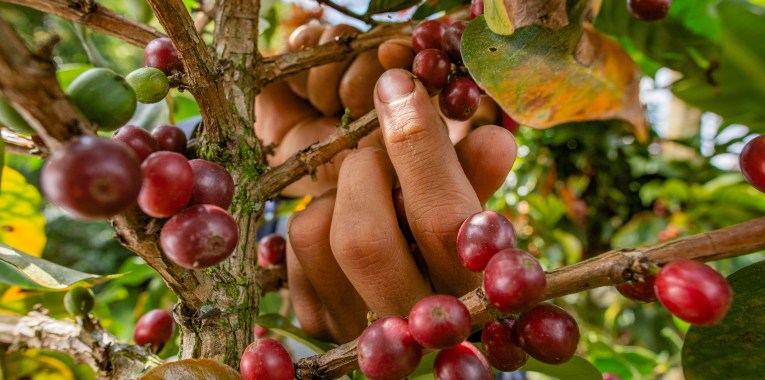
Do you know where your morning coffee is grown?
There’s a speciality coffee roastery we love in the city that always gives a little index card with your brew so you can learn more about the beans, who’s growing them, the elevation they’re growing at, etc. While that’s a fun concept for coffee enthusiasts like us, there’s so much more you can take from this.
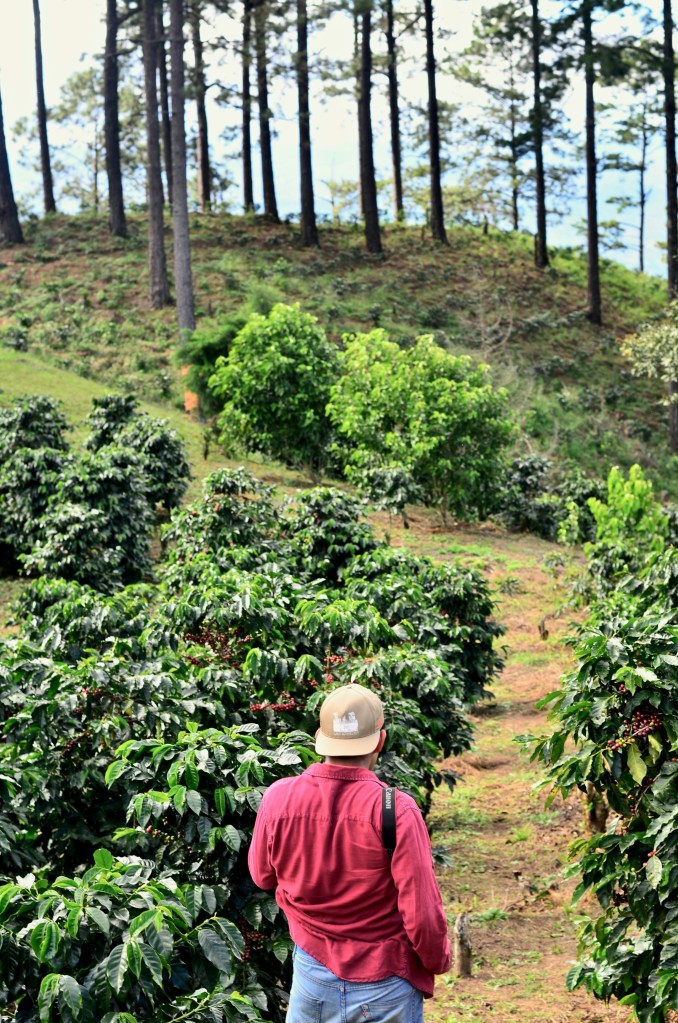
Nick has started using those little cards over espresso to learn more about the region his beans come from. Often, these farming areas are impoverished, suffering increasingly volatile climate swings, and as is the case throughout South / Central America, often dangerous due to cartel presence. He takes that knowledge from that specific area and pauses to pray for those making his coffee, a reminder of how interconnected our world truly is.
While coffee might not be your thing, you could take this practice into any area! Grocery shopping and want to know where your asparagus is grown? Where was your favorite t-shirt produced? It matters – because for each thing we buy and wear without thought – someone else has touched it – someone who too often wasn’t paid fair wages for their work, and continues to live in poverty and fear.
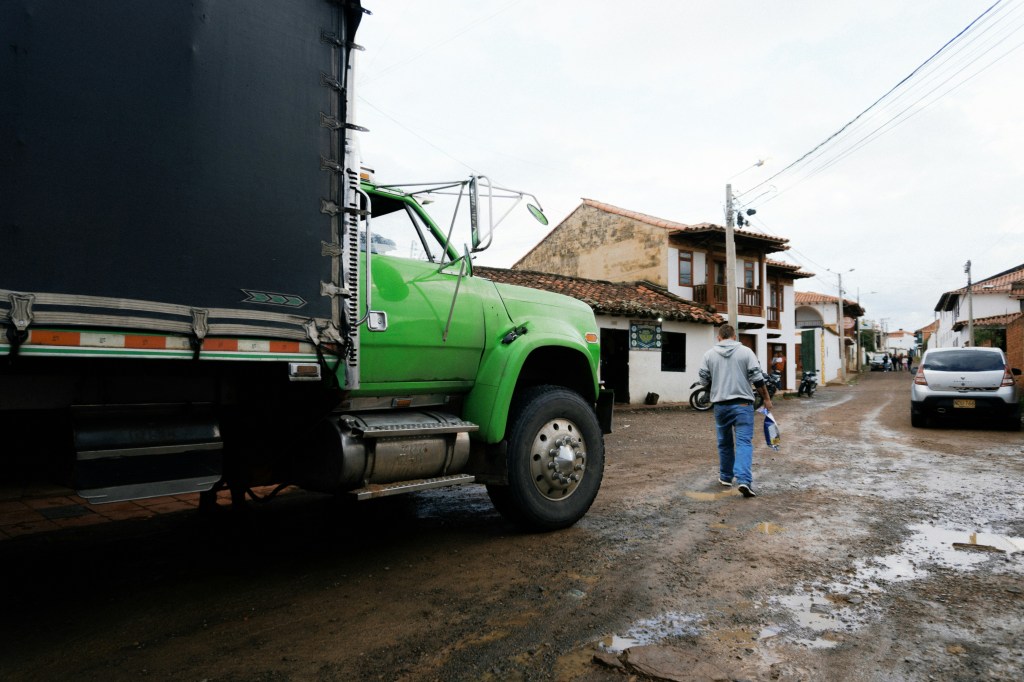
How might we live differently as we consider our interconnectedness in this way?
This week’s prayer briefing invites us to consider this as well. As you’ll notice in each of the previous times, we’re focusing on the marginalized and those most affected by violence, natural disasters, poverty, and injustice. But we also know that’s one side of a story – and we want to celebrate the beauty present in many families, generational wisdom and crafts passed down in each culture. You may even know someone from these countries or who has lived there at one point. Please include them in your prayers.
We encourage you to spend some time reading through the whole briefing for context to aid your prayer time through the coming week. May you find this enlightening, stirring, and guiding to your heart as you pray for just a part of South America this week.
For Prayer: Andean Highlands and Pacific Slope
For the displaced…
For the 7.1 million people displaced from their homes — especially in Colombia, where the crisis is most acute. This week in Colombia: Colombia is facing a complex, protracted, and rapidly intensifying humanitarian crisis driven by the escalation of internal armed conflict, rising levels of social violence, floods, and forced displacement.. For safety on the road and welcome at the journey’s end.
For those living under violence…
For communities enduring armed conflict between Peruvian Mining-Security Complex and FARC Dissidents (Estado Mayor Central) across Andean Highlands and Pacific Slope — 755 killed in the past three months. This week in Ecuador: The rainy season continues to affect most of Ecuador, and as of 11 March it had caused 605 flood events and more than 580 landslides, leading to casualties and widespread damage.. For protection of civilians and for those who have lost loved ones.
For Colombia…
Especially for Colombia, facing the most severe convergence of crises in this region. This week in Colombia: Every single hour throughout 2025, the life of a student or teacher in Colombia was placed in jeopardy.. For those making impossible decisions about whether to stay or flee, and for those who cannot choose.
For those who serve…
For humanitarian workers and missionaries in Andean Highlands and Pacific Slope — for their safety, their courage, and their capacity to reach those most in need. This week in Ecuador: The humanitarian impact continues to rise as the 2026 rainy season intensifies across Ecuador. From 1 January to the present, the country has recorded 629 flood events and 612 landslides..
For seeds of hope…
For every act of resistance and care in Andean Highlands and Pacific Slope — communities
sharing food, farmers saving seed, neighbours sheltering neighbours. That these small acts of defiance outlast the crisis.
 Safe Haven