
Throughout Lent, we are gathering from around the globe to pray for the nations. If you’d like to join us, we’ll be sharing these prayer resources weekly here (and you can sign up to get a weekly email with the resources HERE.) We hope you’ll join us to pray, lament, and find hope as we look for where God is at work.

“But let justice roll down like waters, and righteousness like an ever-flowing stream.”
Amos 5:24 (NRSV)
Opening Prayer
Light a candle and pause in silence before beginning…
God of the flood and the desert, of the river and the dry well
You who parted the waters for your people and led them through the wilderness…
We come now to lean in and learn, and ask that you open our eyes and hearts as we bring many burdens in Europe to you now.
A Meditation: From the Gharb Plain to Your Table
The Flood
Begin in the Gharb Plain of northwestern Morocco—a flat, fertile lowland between two rivers, the Loukkos and the Sebou. For seven years, the farmers here endured drought. Their dams sank to thirty percent capacity. Their soil cracked. They prayed for rain. The rain came. And it did not stop.
In one month—from mid-January to mid-February 2026 – we’re talking in the last month to two weeks—Morocco’s dams received nearly nine billion cubic metres of water. That is as much as the previous two years combined. The ground, hardened by seven years of drought, could not absorb it. The rivers swelled. The dams reached 146 percent capacity. Controlled releases sent walls of water downstream. In Ksar El Kebir, eighty-five percent of the city’s population fled. By mid-February, 188,000 people had been displaced across four provinces.
“The waters saw you, O God, the waters saw you and writhed; the very depths were convulsed.” — Psalm 77:16
The Displaced
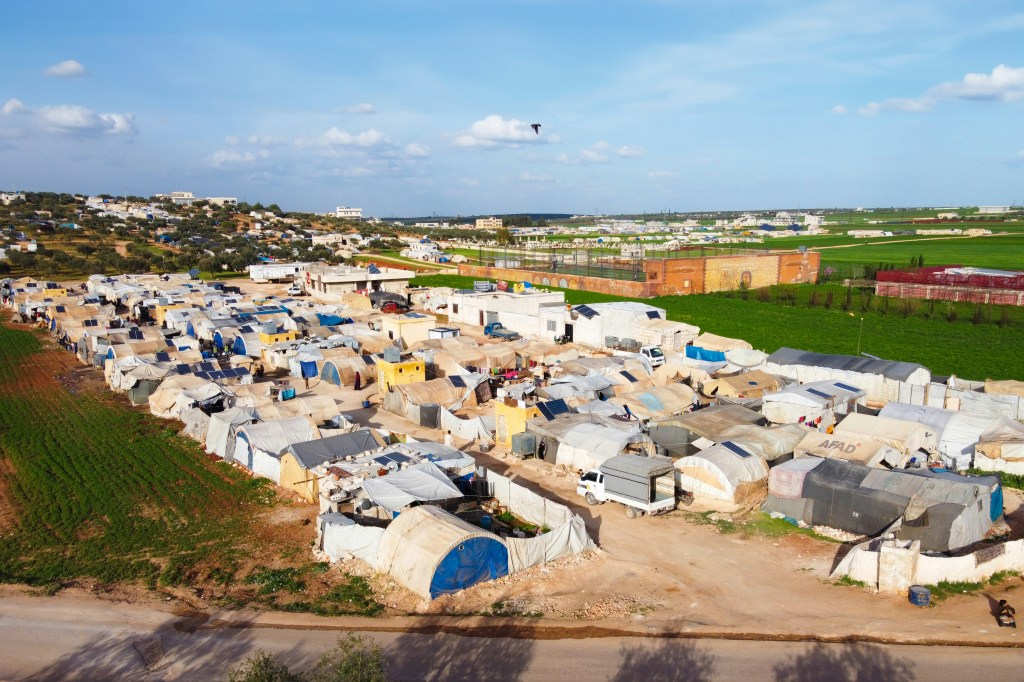
Near Kenitra, forty thousand people now live in rows of blue tents. Families queue for medical care. Livestock—for many, their only capital—are sheltered in separate enclosures nearby. The Moroccan Red Crescent distributes food, blankets, and water purification tablets.
“The water took everything.” — Ibrahim Bernous, 32, camp near Kenitra
“We have no grain left to feed our livestock, and they are our main source of income.” — Chergui al-Alja, 42
The Journey North
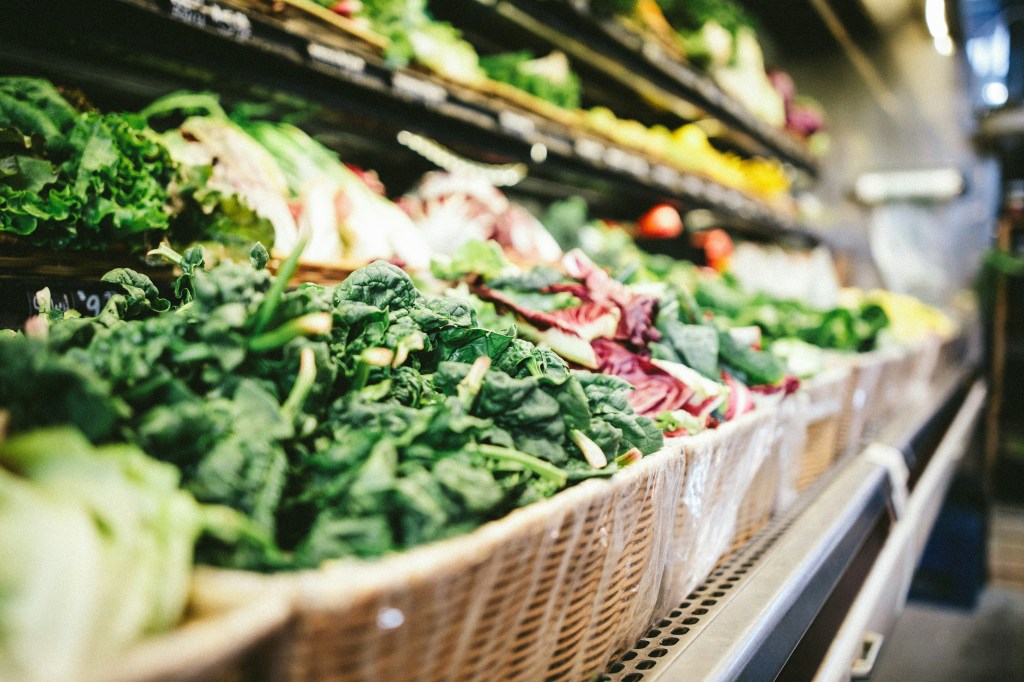
Now follow the water’s consequences north. Every winter, Europe depends on Morocco and southern Spain for the fresh produce that northern fields cannot grow. Spain and Morocco together supply 58 percent of Britain’s tomatoes, 72 percent of its cucumbers, 75 percent of its sweet peppers. Much of this produce crosses the Strait of Gibraltar—and in early February, that crossing was disrupted by the very storms that flooded the farms.
In Andalusia, Spain’s agricultural heartland, the same storms destroyed eighty percent of the olive harvest. Forty thousand hectares of farmland were inundated. Greenhouse structures collapsed. Berry harvests halted. Seasonal workers—many of them migrants from North Africa and Eastern Europe—cannot reach the fields. Their wages have stopped.
This is the hidden thread that connects a flooded Moroccan village to a supermarket shelf in London, Brussels, or Budapest. The bread we break, the oil we pour, the fruit we eat in winter—they are not abstractions. They come from specific fields, tended by specific hands, watered by specific rains. When those fields flood, the ripple reaches all of us. But it does not reach us equally.
“For I was hungry and you gave me food, I was thirsty and you gave me something to drink, I was a stranger and you welcomed me.” — Matthew 25:35
The Most Vulnerable
In every crisis, those with the least absorb the most. In Morocco, the displaced are predominantly rainfed smallholders and pastoralists—people who farm without irrigation, who depend entirely on what the sky provides. Seven years of drought depleted their reserves. Now the flood has destroyed not just this season’s crops, but next season’s productive capacity: the topsoil stripped away, the irrigation channels broken, the seed grain consumed because there was nothing else.
In Spain, the seasonal agricultural workers—many undocumented, many from countries that are themselves in crisis—lose income with no safety net.
Across Europe, rising food prices fall hardest on the families already spending the largest share of their income on groceries.
And further east, in Ukraine, the war that began four years ago this week continues to grind. Every power plant in the country has been struck. Half of Kyiv’s apartment buildings lost heating this winter. Russian forces continue to advance, gaining territory the size of Martha’s Vineyard in a single month. Peace talks in Geneva are described as “difficult.” 173 children were evacuated from front-line areas in Donetsk in a single day last week.
These crises are not separate. They are woven together by the same threads: climate, food, displacement, and the unequal distribution of suffering. The olive oil that European consumers cannot afford traces back to the same changing atmosphere that drives both drought in Andalusia and flooding in Morocco—and that same instability reshapes the energy markets intertwined with the war in Ukraine.
“Is not this the fast that I choose: to loose the bonds of injustice, to undo the thongs of the yoke, to let the oppressed go free? Is it not to share your bread with the hungry, and bring the homeless poor into your house?” — Isaiah 58:6–7
Lament and Intercessions
- For the 188,000 people who were displaced from the flooding and storms in Morocco THIS MONTH.
- For the agricultural workers of southern Spain
- For the people of Ukraine as the war enters the 5th year this week.
- For families across Ukraine without power and heat in winter’s freezing temperatures.
- For all who are refugees, migrants, and strangers in Europe.
- For the nations of Europe and their leaders.
- For the earth itself and our stewardship of it.
- For those we know in Europe personally – in ministry, aid work, community, or who are from this part of the world.
God who hears every prayer spoken and unspoken, receive these intercessions. Knit them together with your mercy. Amen.
A Blessing for the Journey
May the God who parted the Red Sea and stilled the storm hold back the waters that threaten,
and send the rains that heal.
May the Christ who was himself a refugee in Egypt walk with every family seeking shelter tonight— in Kenitra, in Kyiv, in every camp and crossing.
May the Spirit who hovered over the waters at creation hover now over the flooded plains and the broken cities, and breathe life into what has been destroyed.
And may justice roll down like waters,
and righteousness like an ever-flowing stream— through us, and despite us, and far beyond us.
Amen.
 Safe Haven